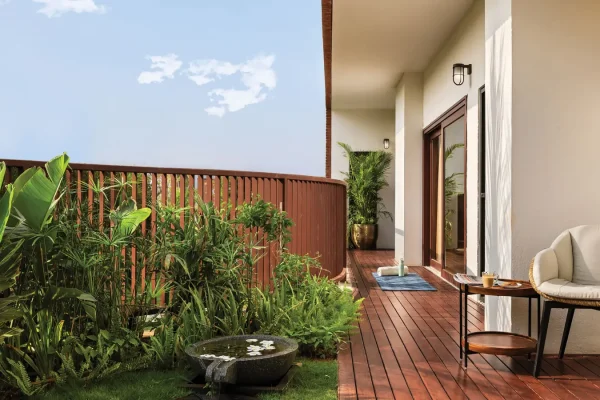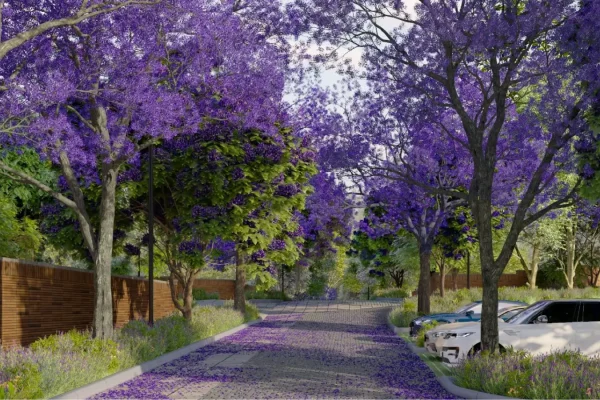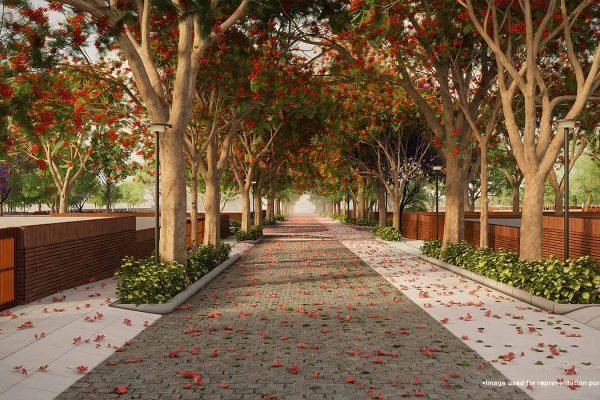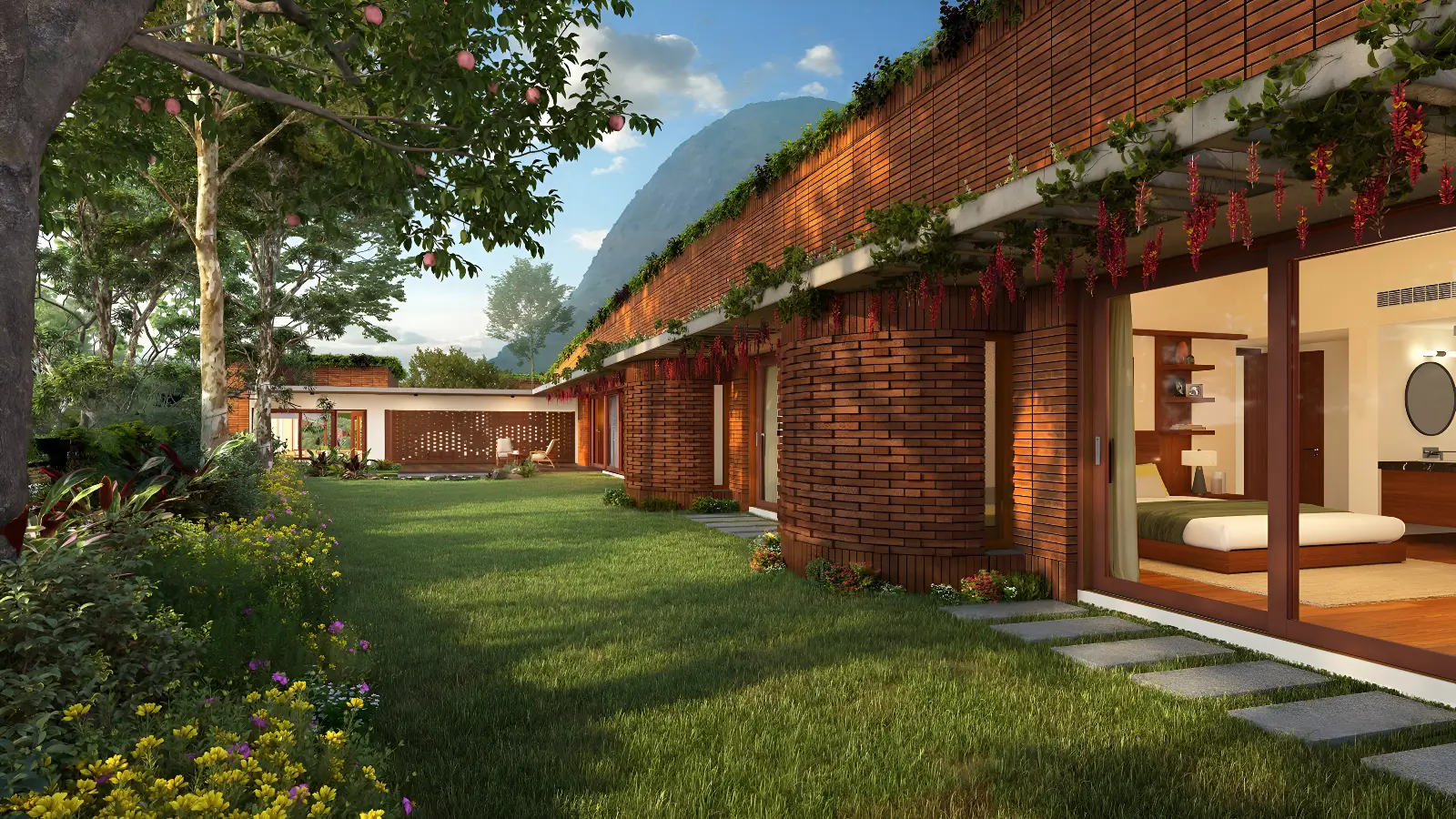
The buildings are low among existing trees rather than clearing them so the community reads as part of the neighbourhood rather than an arrival on top.
Drive past enough new towers and they all become one: the same glass, the same render, placed atop whatever plot was going. Here the job starts the opposite way round, with the location. Total Environment Echoes is about reflecting the character of wherever it is building, the slope of the land, the trees that are already there, the unique feel of that pocket of the city and allowing all of that to influence the home rather than fight it. Here we look at how the site-led approach works in practice, from Whitefield in the east to the foot of Nandi Hills, and why dwellings that sit comfortably within their location are the most sustainable. It’s a less spectacular, but more durable, promise than a marble lobby.
Reading the site before drawing the home
Good design starts with what is currently there. One of the communities on Kanakapura Road, The Magic Faraway Tree, is named for an ancient tree next to the plot and built to face the little hills to its south. Over the Rainbow residences at Nandi Hills tumble gently down the slope as it is, not flattening it down.
These are not cosmetic issues. Orientation, location and existing vegetation determine where the light falls, how the air moves through a house and what you actually see out of your own window. Get that right and a whole lot more will follow. Get it wrong and the nicest marble in the world won’t salvage a house that bakes every afternoon or looks right into a boundary wall. None of that is captured in a glossy render and that’s one reason it’s missed so often. It is later, the way a house feels at four o’clock in May, the view from the sofa being a garden, or the neighbor’s parking.
Materials that belong to the place
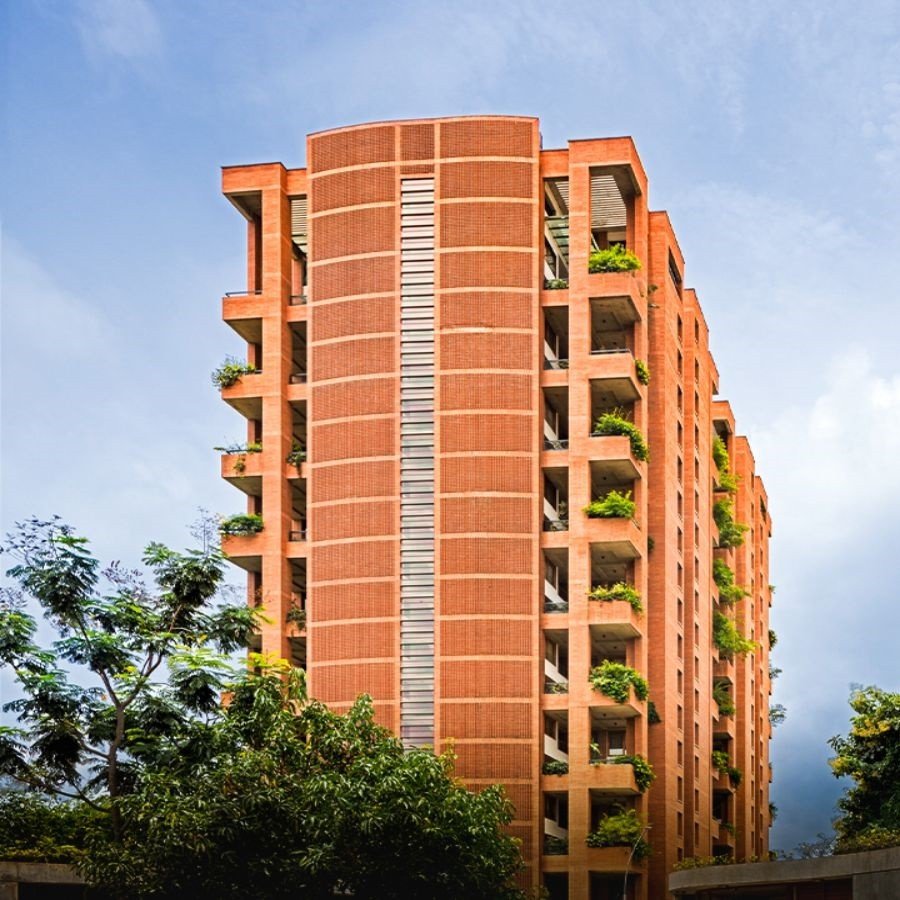
The choice of materials is in the same instinct. The mirror-glass curtain walls never quite sit comfortably in a lush Bangalore backdrop as natural brick, timber and stone do. The design is in sync with the land a home sits on, in material and orientation so the building appears to have grown there, rather than arrived overnight.
Natural materials age just like everything else around them. Brick mellows, timber greys a bit, planting fills in and a ten-year-old house looks settled, not dated. It’s a slower form of architecture and it fits neighbourhoods that are themselves evolving, one tree, one monsoon at a time. There is also a gentler argument. A building that respects its surroundings is a better neighbour. It doesn’t loom over the street or bounce glare into the homes around it and that good will counts for something in a city filling in this rapidly.
A short map of the communities
The studio sprawls over Bangalore, each location tugging at the design in different directions, with lakeside tranquility in one part and hillside drama in another. Some of the more well-known communities provide a sense of the range:
| Community | Area | What the setting gives |
|---|---|---|
| Pursuit of a Radical Rhapsody | Whitefield | Lake edge, close to the IT belt |
| In That Quiet Earth | Off Hennur Road | Quiet, maturing north Bangalore |
| Down by the Water | Jakkur | Lakeside, near the airport corridor |
| The Magic Faraway Tree | Kanakapura Road | Trees and low hills to the south |
| After the Rain | Yelahanka | Open, green, airport side |
| Over the Rainbow | Nandi Hills | Villas stepped along the slope |
Pricing, configurations and permissions vary by project and phase and our staff will offer current details on any of them.
East, north, or the hills: matching an area to you
The home you choose shapes your daily life as much as the shapes you buy. Whitefield places you right amongst the IT parks and the schools that accompany them, which is good for a working family and reads well to tenants. The Hennur Road area is quieter and greener, with the airport next to the north for convenient access. Yelahanka and the Nandi Hills belt give up a bit of convenience for space, large skies and villa-style living.
None of these answers is right by itself. The right answer is the one that works for you. A buyer seeking rental demand is looking at a location differently from a family hoping to settle down for twenty years. The objective of a site-led portfolio is that there is usually a community to fit either brief, rather than one product pushed everywhere, regardless. As well as the house itself, think about the commute, the local schools, how you think the neighborhood will develop in the next 10 years and whether you are buying to live or let. But even the best design is a terrible deal for a community that suits the home, but not your habit.
Why context-led homes endure
Homes that pay homage to their setting tend to outlive those that don’t. They’re better on the street, they take well to the local climate and they don’t depend on a craze that will date. A well-managed north-facing slope is a boon for decades to come. You can’t address later a problem that was flattened and disregarded on the same slope.
Total Environment Echoes is not a “one size fits all” community, it is a pattern that is reflected in the surroundings all throughout the city, which is a significant reason why the early communities still feel of their place. That is the real test of context informed design, not how brilliant a house looks on opening day, but whether it still belongs on its street ten years on. If location is your number one consideration, the developer site displays where the studio builds and what each region of the city has to offer. Our experts can help you select a neighborhood that fits the section of the city you already have in mind. Two conflicting projects run back to back make the case better than any brochure.